
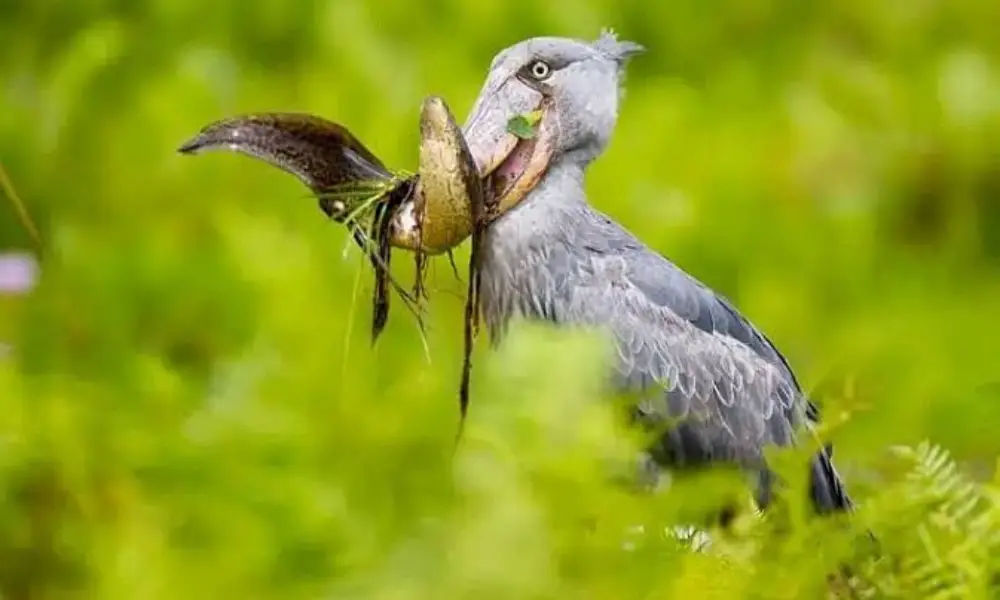
1 Day Shoebill Tracking in Mabamba Swamp
Discover Uganda's Most Famous Birding Adventure
Embark on an unforgettable 1 Day Shoebill Tracking Tour in Mabamba Swamp, one of Uganda's premier birdwatching destinations and the best place to spot the elusive Shoebill Stork. Located on the northern shores of Lake Victoria, just a short drive from Entebbe and Kampala, Mabamba Wetland offers an exceptional opportunity to observe this prehistoric-looking bird in its natural habitat.
Detailed 1 Day Shoebill Tracking Itinerary
6:30 AM – Hotel Pickup
Your safari begins early in the morning with pickup from your hotel in Kampala, Entebbe, or directly from Entebbe International Airport.
The drive to Nakiwogo Landing Site Entebbe takes approximately:
15 minutes from Entebbe or
1.5–2 hours from Kampala.
Along the journey, your guide introduces you to Uganda's birdlife, wetlands, and conservation efforts.
Arrival at Nakiwogo Landing Site Entebbe
Upon arrival, you'll meet experienced local boat operators and birding guides before boarding a traditional wooden canoe specially designed to navigate the narrow papyrus channels.
The slow-paced canoe ride offers spectacular scenery and incredible birdlife.
Arrival at Mabamba swamp
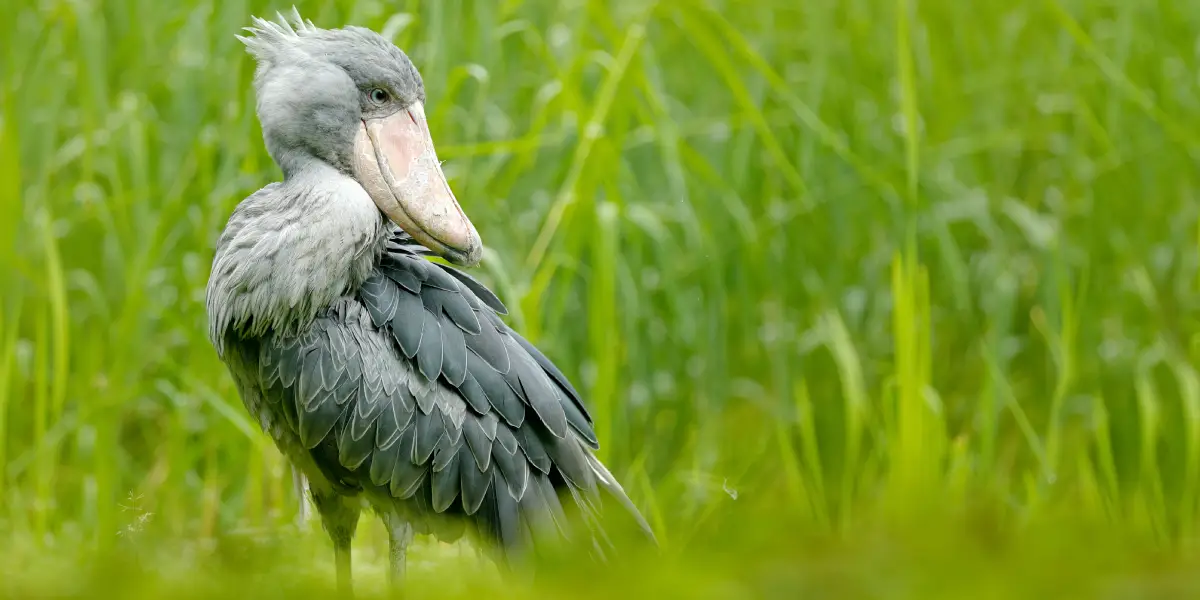
Where you are transferred to small wooden boats that move on the small streams of the wetland expecting to sight some shoebill storks that have a habit of searching for fish in the water weed. They are on rare occasions seen on the mainland. Each boat carries 3 people so that they will watch the birds well. A minimum of 3 hours will be spent on the water depending on when you spot the shoe-bill stork, though the activity can go on for a full day.
Includes
Transport- picking you up from your residence, to the swamp and back to the hotel or airport
An English speaking driver guide
Packed lunch and soda
Bottled water
Excludes:
Tips for the guide
Alcoholic drinks and cigarette
Best Time for Shoebill Tracking
Mabamba Swamp offers excellent birding throughout the year. The best months include:December to February
June to September
Morning departures provide the highest probability of finding Shoebills actively feeding.