What to wear for gorilla trekking 2026 – 2027 and beyond
Planning a gorilla trekking Safari to Uganda in 2026 – 2027 and beyond? Knowing what to wear for gorilla trekking can make a big difference to your comfort, safety and overall experience.
Whether you are trekking mountain gorillas in Bwindi Impenetrable National Park or Mgahinga Gorilla National Park, you should be prepared for steep forest trails, muddy ground, rain, thick vegetation and changing weather conditions.
The key is to choose clothing and footwear that provide protection, comfort, flexibility and good grip.
This complete guide explains what to wear for gorilla trekking in Uganda in 2026–2027 and what to pack for your trek.
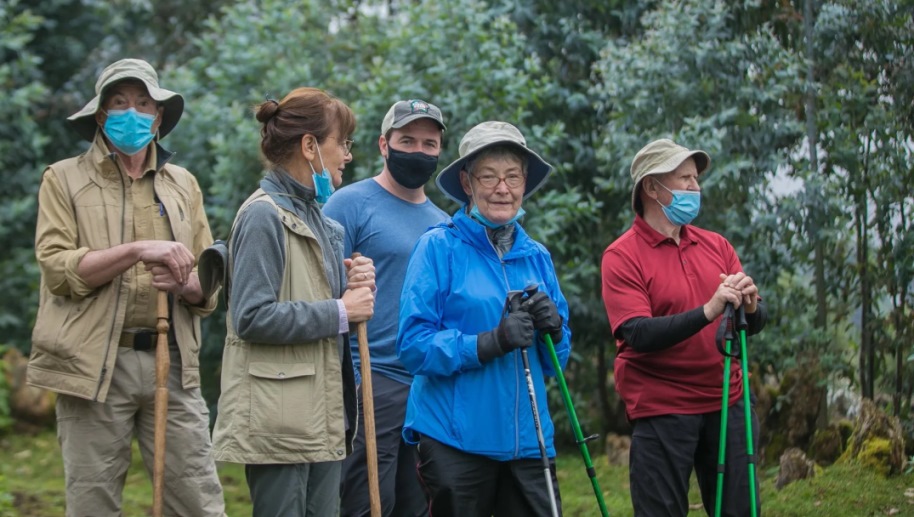
What Should I Wear for Gorilla Trekking in Uganda?
The best gorilla trekking outfit consists of:
- Lightweight long-sleeved shirt
- Long hiking trousers
- Comfortable, waterproof hiking boots
- Hiking socks
- Waterproof jacket or poncho
- Gardening or hiking gloves
- Gaiters
- Hat or cap
- Lightweight layers
You do not need expensive safari clothing, but rather practical, comfortable and weather-resistant clothing is far more important.
Trousers/Pants: Wear Long Hiking Trousers
Long hiking trousers are one of the most important items for gorilla trekking in Uganda.
Bwindi’s rainforest can have thick vegetation, branches, vines, nettles and other plants along the trails. Long trousers provide additional protection for your legs while you move through the forest.
Choose trousers that are:
- Lightweight
- Comfortable
- Quick-drying
- Durable
- Flexible
- Suitable for hiking
Avoid heavy jeans because they can become uncomfortable when wet and take a long time to dry.
Best choice: Lightweight trekking or hiking trousers.
Shirt/Blouse: Wear a Long-Sleeved Shirt
A lightweight long-sleeved hiking shirt helps protect your arms from vegetation, insects and branches.
Choose a shirt made from breathable, quick-drying material. You may also want to bring an extra shirt in your daypack, particularly if you are trekking during wetter months.
A long-sleeved shirt is useful even when the morning begins warm because conditions can change as you climb deeper into the forest.
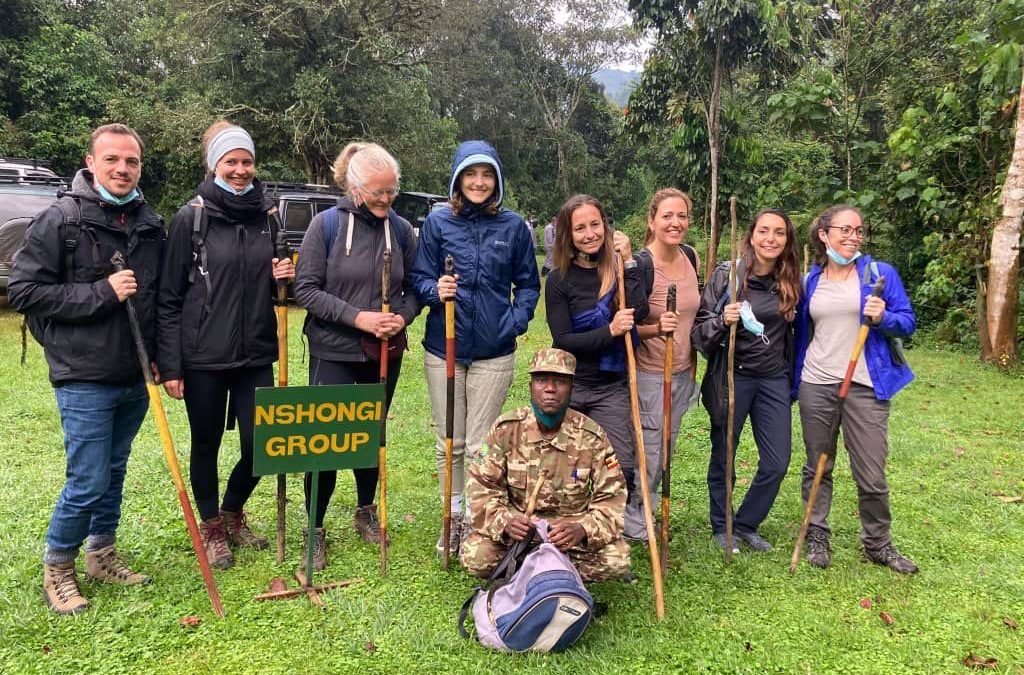
Footwear/Shoes: Choose the Right Gorilla Trekking Boots
Your hiking boots may be the most important piece of equipment you take on your gorilla trek.
Bwindi is a mountainous rainforest, and trails can become muddy and slippery, particularly after rainfall.
Look for boots with:
- Good ankle support
- Strong grip
- Waterproof or water-resistant construction
- Comfortable cushioning
- Durable soles
Make sure you pre-use and get your feet familiarised to the boot. Never arrive for your gorilla trek with brand-new boots and expect to hike for several hours without discomfort.
Can I wear trainers/sneakers for gorilla trekking?
Trainers may be comfortable on ordinary roads and easy walking trails, but they are generally not the best choice for a challenging gorilla trek.
Proper hiking boots provide better traction and ankle support on muddy and uneven forest trails.
Should i bring/wear gaiters?
Gaiters are not absolutely essential, but they are highly recommended for gorilla trekking.
They cover the area between your boots and trousers and help prevent:
- Mud
- Water
- Leaves
- Small insects
- Debris
from getting inside your boots.
They can be particularly useful when trekking through thick vegetation or muddy sections of your gorilla location.
Gloves/Handprotection: Hiking or Gardening Gloves
A pair of lightweight gloves can be surprisingly useful during gorilla trekking.
You may need to use your hands for balance while walking through steep sections of forest or moving vegetation out of your way. Simple gardening gloves can work well and are inexpensive.
Choose gloves that allow you to maintain a good grip while protecting your hands.
Bring/Wear a Waterproof Jacket or Poncho
Bwindi and Mgahinga are rainforest environments, so rain is always possible.
Even when the morning begins sunny, weather conditions can change quickly.
A lightweight waterproof jacket or poncho should therefore be easily accessible in your daypack.
A waterproof outer layer can keep you comfortable during sudden rainfall without adding too much weight to your backpack.
Dress in Layers
Layering is a good strategy for gorilla trekking.
Temperatures can feel different depending on altitude, weather and how much you are moving.
A practical combination is:
Base layer → hiking shirt → lightweight fleece → waterproof outer layer
You can remove a layer when you become warm and put it back on when conditions become cooler.
Wear Comfortable Hiking Socks
Good socks can prevent blisters and make a long trek considerably more comfortable.
Choose hiking socks that:
- Fit properly
- Wick moisture away from your feet
- Provide cushioning
- Dry relatively quickly
It is also a good idea to carry an extra pair of socks in a waterproof bag.
If your feet become wet during the trek, changing into dry socks can make a big difference.
Bring a Hat or Cap
A lightweight hat or cap protects from the sun and can also be useful during breaks.
A waterproof or quick-drying hat is particularly practical when trekking in unpredictable weather.
What Not to Wear for Gorilla Trekking
Knowing what not to wear is just as important.
- Jeans. Jeans are heavy when wet and can restrict movement.
- Shorts. Shorts leave your legs exposed to vegetation, insects and branches.
- Sandals. Open footwear provides little protection and poor grip on muddy forest trails.
- High heels. Gorilla trekking involves hiking over uneven and sometimes steep terrain. High heels are completely unsuitable.
- Brand-new boots. Even excellent hiking boots can cause blisters if they have not been properly broken in.
- Excessive clothing. You do not want to carry unnecessary weight or become overheated during the trek.
What to take with you in your Gorilla Trekking Daypack
Your clothing is only part of your preparation. A small backpack should contain the essentials you may need during the trek.
Gorilla trekking packing list for your Daypack
- Drinking water
- Packed lunch or snacks
- Waterproof jacket or poncho
- Insect repellent
- Sunscreen
- Camera or smartphone
- Spare camera batteries or power bank
- Waterproof bag for electronics
- Tissues
- Extra socks
- Basic personal medication
- Small first-aid supplies
Keep your backpack as light as possible. You will appreciate this when you are climbing steep sections of the forest.
Should I hire a Porter for Gorilla Trekking?
Yes, we strongly recommend hiring a porter. Even travellers who are physically fit can benefit from having a porter.
A porter can:
- Carry your daypack
- Assist you on difficult sections
- Help you maintain balance
- Provide practical support during the trek
- Reduce the physical burden of carrying your belongings
Hiring a porter also provides an opportunity to directly support people living in communities around the gorilla parks.
Speak to us about arranging a porter before your trek or at the trekking headquarters.
What to Wear During Gorilla Trekking in the Rainy Season
Uganda’s gorilla trekking experience is available throughout the year, including during wetter months.
If you are trekking during a rainy period, pay particular attention to waterproof protection.
We recommend:
- Waterproof hiking boots
- Gaiters
- Waterproof jacket or poncho
- Quick-drying trousers
- Quick-drying shirt
- Waterproof backpack cover
- Dry bags or waterproof bags for electronics
- Extra socks
Rain can make trails significantly muddier, so good footwear becomes even more important.
What to Wear During the Drier Months
During generally drier periods, conditions can be more comfortable, but you should still prepare for rain.
A good outfit remains:
- Long trousers.
- Long-sleeved shirt.
- .hiking boots. socks.
- Gloves.
- Waterproof layer.
The rainforest can still receive rainfall even during Uganda’s traditionally drier travel seasons.
Can I Wear Bright Colours While Gorilla Trekking?
Neutral and natural colours are generally a sensible choice for forest trekking. Khaki, brown, green, grey and similar outdoor colours are practical and photograph well in the rainforest.
More importantly, however, is choosing clothing that is comfortable, protective and suitable for hiking.
Your clothing should never compromise your ability to move safely through the forest.
Gorilla Trekking Outfit: Quick Checklist
Before leaving for your trek, check that you have:
| Item | Recommended |
|---|---|
| Long hiking trousers | ✅ Essential |
| Long-sleeved shirt | ✅ Essential |
| Waterproof hiking boots | ⭐ ⭐ Highly recommended |
| Hiking socks | ✅ Essential |
| Waterproof jacket/poncho | ⭐ ⭐ Highly recommended |
| Gaiters | ⭐ Recommended |
| Hiking/gardening gloves | ⭐ Recommended |
| Hat/cap | ⭐ Recommended |
| Lightweight fleece | Optional |
| Extra socks | ⭐ Recommended |
| Waterproof backpack cover | ⭐ Recommended |
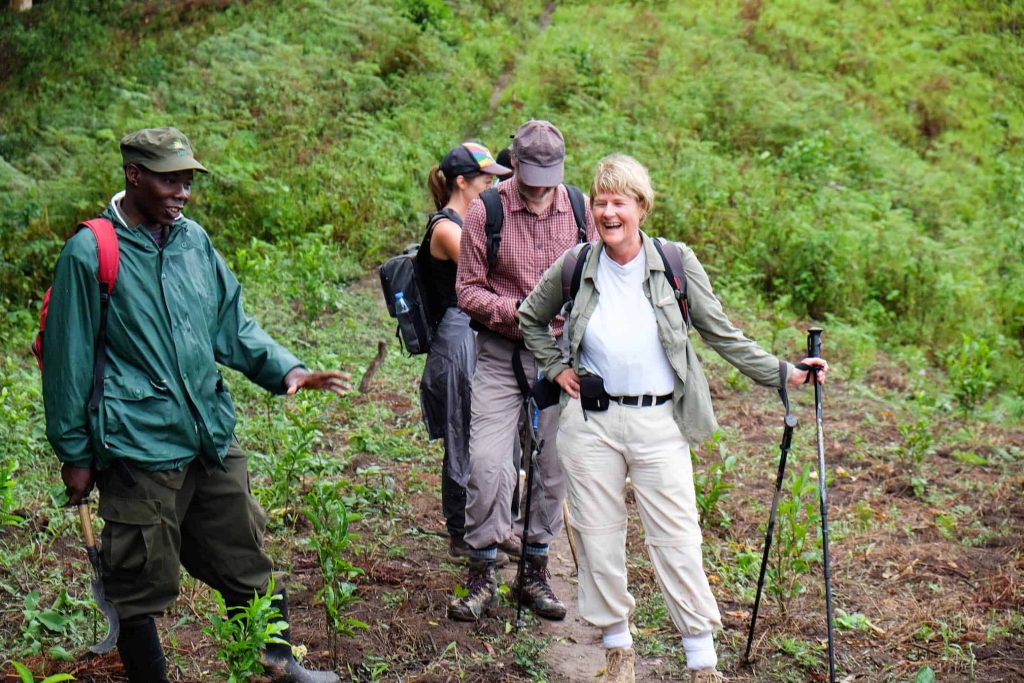
Our final Gorilla Trekking Clothing Tips
The most important thing to remember is that gorilla trekking is a rainforest hike, not a traditional game drive.
You may walk for several hours through steep, muddy and densely vegetated terrain before reaching a gorilla family.
Your clothing should therefore prioritise:
- Protection.
- Comfort.
- Waterproofing.
- Mobility.
- Good footwear.
Don’t worry about having the most expensive outdoor clothing. A well-prepared traveller with comfortable hiking boots, long trousers, protective clothing and good rain gear will generally be much better prepared than someone wearing expensive but unsuitable safari fashion.
Ready for Your Uganda Gorilla Adventure?
Planning to trek mountain gorillas in Uganda in 2026 or 2027?
Tata Africa Safaris can help you plan your gorilla adventure, from choosing the right trekking sector and accommodation to arranging your gorilla permit, transport and a complete safari itinerary.
Explore Uganda. Meet the mountain gorillas. Experience Africa with a locally operated safari company.